Kenmore Washer 100 Series Manual: A Comprehensive Guide
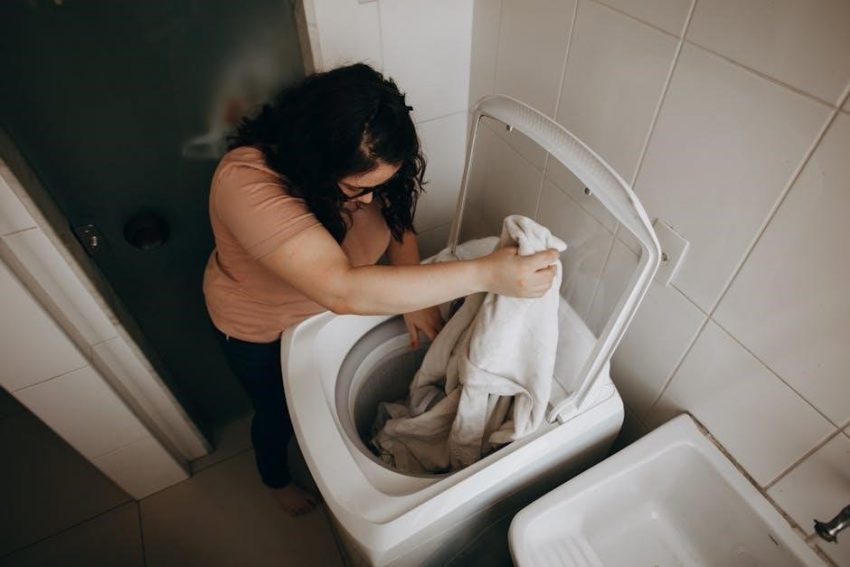
This manual provides essential guidance for safe operation, installation, and maintenance of your Kenmore 100 Series washer, ensuring optimal performance and longevity.
Welcome to the world of efficient and reliable laundry with your new Kenmore 100 Series Washer! This appliance is designed to deliver exceptional cleaning performance while offering user-friendly operation. Before you begin, it’s crucial to thoroughly read this manual. It contains vital information regarding safety precautions, proper installation procedures, and detailed operating instructions.
Understanding your washer’s features and capabilities will maximize its effectiveness and extend its lifespan. This guide will walk you through everything from unpacking and setup to selecting the appropriate wash cycles and troubleshooting common issues. Remember, adhering to the guidelines outlined within ensures a safe and satisfying laundry experience. Prioritize reading the Important Safety Instructions to mitigate risks.
Understanding Your Washer’s Model Number
Your Kenmore 100 Series washer’s model number is key to accessing specific information and support resources. This unique identifier unlocks access to detailed documentation, including installation guides, user manuals, and parts lists tailored to your exact appliance configuration. Locating the model number is essential when contacting Kenmore customer support or ordering replacement parts.
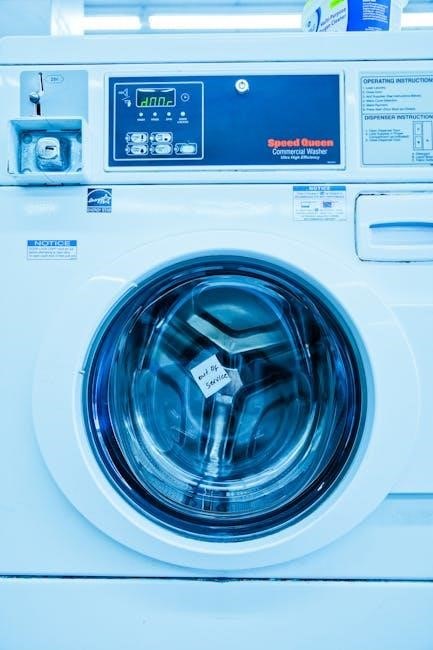
Typically, the model number is found on a label located inside the washer lid, on the back of the appliance, or near the water inlet connections. Carefully record this number and keep it readily available for future reference. Utilizing your model number ensures you receive accurate and relevant assistance, streamlining any troubleshooting or maintenance procedures. It’s your direct link to personalized support!

Safety First: Important Precautions
Prioritize safety by carefully reading all instructions before operating your Kenmore 100 Series washer, reducing risks of shock, fire, or injury.
Electrical Safety Guidelines
To ensure electrical safety when using your Kenmore 100 Series washer, always operate it with a grounded three-prong outlet. Never use extension cords or adapters, as they can increase the risk of electric shock.
Inspect the power cord regularly for any damage; if found, immediately discontinue use and contact a qualified technician for replacement. Avoid operating the washer in damp environments or with wet hands.
Disconnect the washer from the power supply before performing any maintenance or repairs. Do not attempt to repair electrical components yourself; always rely on a certified professional.
Adhering to these guidelines will significantly minimize the potential for electrical hazards and ensure the safe operation of your appliance.
Preventing Fire Hazards
To mitigate fire risks with your Kenmore 100 Series washer, avoid washing items that have been soaked in flammable liquids, such as gasoline, cleaning solvents, or oils.
Ensure the washer is not located near any heat sources or open flames. Regularly clean the lint filter after each use to prevent lint buildup, which is highly flammable.
Do not overload the washer, as this can strain the motor and potentially cause overheating. Inspect the back of the washer periodically to ensure proper ventilation and clear any obstructions.
Following these precautions will help maintain a safe operating environment and reduce the likelihood of a fire incident.
Child Safety Considerations
Prioritize child safety when operating your Kenmore 100 Series washer. Always supervise young children when the washer is in use, and never allow them to play with the appliance.
Keep the washer door closed when not in operation to prevent children from climbing inside, creating a potentially dangerous entrapment situation.
Detergent and laundry packets should be stored securely out of reach of children, as they can be harmful if ingested; Educate older children about the dangers of playing with or near the washer.
Be mindful of the hot water discharge; it can cause burns. Implementing these safety measures will help protect children from potential hazards.

Installation and Setup
Proper installation is crucial for optimal washer performance. This section details unpacking, connecting utilities, leveling, and ensuring correct drain hose placement.
Unpacking and Initial Inspection
Carefully unpack your new Kenmore 100 Series washer, removing all packaging materials, including tape, cardboard, and protective films. Thoroughly inspect the washer for any visible signs of damage that may have occurred during shipping.
Check for dents, scratches, or broken parts. Verify that all included accessories, such as the drain hose, inlet hoses, and any documentation, are present. If any damage is detected, or if parts are missing, immediately contact the retailer or Kenmore customer support.
Do not attempt to operate a damaged washer. Retain the original packaging materials until you are satisfied with the condition of the appliance. Ensure the shipping bolts are removed before operation, as failure to do so will cause severe damage during the wash cycle.
Connecting Water Supply Lines
Before connecting the water supply lines, ensure the water supply is turned off; Identify the hot and cold water faucets and attach the appropriate inlet hoses to the corresponding valves on the washer. Hand-tighten the connections, then use pliers to gently tighten them another half-turn.
Avoid over-tightening, as this can damage the connections. Check for leaks at both the faucet and washer connections. If leaks are present, tighten the connections further or replace the washers.
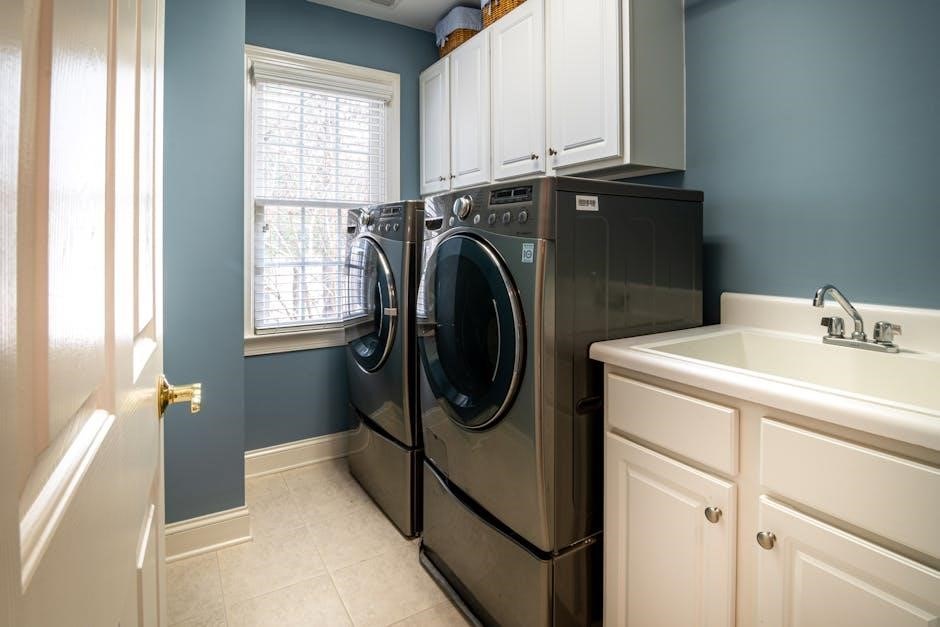
Use new hoses when installing the washer; do not reuse old hoses. Ensure the hoses are not kinked or bent, which can restrict water flow. Proper connection is crucial for efficient washer operation and preventing water damage.
Leveling the Washer
Proper leveling is vital to minimize vibration and noise during operation, and it’s essential for calibration. Use a level to check the washer’s stability on the floor. Adjust the leveling feet, located at the bottom corners of the washer, by rotating them clockwise or counterclockwise.
Turn the feet until the washer is perfectly level in both directions – side-to-side and front-to-back. Ensure all four feet are firmly in contact with the floor.
Adjust the feet only as far as necessary; excessive adjustment can compromise stability. Re-check the level after each adjustment. A properly leveled washer will operate more efficiently and quietly, extending its lifespan.
Drain Hose Installation
Securely connect the drain hose to a standpipe or laundry tub, ensuring it’s at the correct height – typically between 30 and 96 inches. Avoid excessive bending or kinking of the hose, as this can restrict water flow and cause drainage issues.
The drain hose should not be inserted too far into the standpipe, leaving an air gap to prevent siphoning. Ensure the hose is firmly clamped to prevent accidental disconnections during operation.
Regularly inspect the drain hose for cracks or damage, replacing it if necessary. Proper drain hose installation is crucial for preventing water damage and ensuring efficient washer operation.
Operating Instructions
Follow these steps for efficient washing: load clothes, add detergent, select a cycle, and start the washer for clean, fresh laundry results.
Loading the Washer Correctly
Proper loading is crucial for optimal cleaning and to prevent damage to both your clothes and the washer. Avoid overloading, as this restricts movement and hinders effective washing. Distribute items evenly around the agitator or wash plate – do not wrap items around it.
Separate delicate items and place them in a mesh laundry bag to protect them from snagging. For best results, do not pack clothes tightly; they need room to move freely within the water.
Consider the load size: smaller loads for heavily soiled items, and larger loads for lightly soiled items. Always check garment care labels for specific washing instructions before loading. Overloading can also lead to unbalanced loads, causing excessive vibration and potential damage.
Detergent Dispenser Guide
Your Kenmore 100 Series washer features a detergent dispenser with designated compartments for different types of laundry products. Typically, there are sections for pre-wash detergent, main wash detergent, fabric softener, and bleach.
Always use High Efficiency (HE) detergent specifically formulated for HE washers to prevent excessive sudsing. Fill the main wash compartment according to the detergent manufacturer’s instructions and the load size.
Pour fabric softener into the designated compartment, avoiding overfilling. Bleach should be diluted with water before adding to its compartment. Regularly clean the dispenser to prevent clogs and ensure proper dispensing of laundry products.
Wash Cycle Selection
The Kenmore 100 Series washer offers a variety of wash cycles to accommodate different fabric types and soil levels. Common cycles include Normal, Delicates, Heavy Duty, Quick Wash, and Bulky Items.
The Normal cycle is suitable for everyday laundry, while Delicates is ideal for fragile items. Heavy Duty tackles heavily soiled clothes, and Quick Wash provides a faster wash for lightly soiled loads. Utilize the Bulky Items cycle for bedding or large items.
Temperature settings (Hot, Warm, Cold) and spin speed options (High, Medium, Low, No Spin) further customize each cycle. Refer to garment care labels for specific washing instructions and select the appropriate cycle accordingly.
Starting and Pausing a Wash Cycle
To initiate a wash cycle, ensure the lid is closed and press the ‘Start’ button. The washer will automatically fill with water, agitate, rinse, and spin according to the selected cycle settings.
If you need to pause the cycle mid-operation, simply press the ‘Pause’ button. This will stop the agitation and drain the water. To resume, press ‘Start’ again. Note: Adding or removing items during a cycle may require pressing ‘Pause’ first.
The control panel displays the remaining cycle time. Always wait for the cycle to complete before opening the lid to prevent water spillage. A signal will indicate cycle completion.
Maintenance and Troubleshooting
Regular cleaning and prompt troubleshooting are vital for maintaining your Kenmore 100 Series washer’s efficiency and resolving common operational issues effectively.
Cleaning the Washer
To maintain optimal performance and prevent odors, regularly clean your Kenmore 100 Series washer. Run an empty hot water cycle with a washing machine cleaner monthly, or more frequently with heavy use. Wipe down the exterior with a damp cloth and mild detergent.
Pay close attention to the door seal, removing any debris or mildew. Inspect the detergent dispenser for residue buildup and clean thoroughly. For stubborn stains inside the drum, create a paste of baking soda and water, apply, let sit, then wipe clean.
Always ensure the washer is empty before initiating a cleaning cycle. Proper cleaning extends the life of your appliance and ensures consistently fresh laundry results. Avoid abrasive cleaners that could damage surfaces.
Cleaning the Detergent Dispenser
Regularly cleaning the detergent dispenser is crucial to prevent clogs and ensure proper detergent distribution. Remove the dispenser drawer by pressing the release tab, if equipped, and rinsing it under warm water. Use a small brush to scrub away any hardened detergent residue from all compartments – liquid, powder, and fabric softener.
Inspect the dispenser housing within the washer for buildup and clean with a damp cloth. Ensure all residue is removed before reinserting the drawer.
A buildup can affect wash performance and potentially cause malfunctions. Avoid using abrasive cleaners, as they may damage the dispenser components. Thorough cleaning maintains optimal detergent flow and laundry results.
Troubleshooting Common Issues: No Power
If your Kenmore 100 Series washer isn’t powering on, first verify the power cord is securely plugged into a functioning outlet. Test the outlet with another appliance to confirm it’s receiving power. Check the home’s circuit breaker or fuse box; a tripped breaker or blown fuse could be the issue – reset or replace as needed.
Inspect the power cord for any visible damage. If damage is present, do not use the washer and contact a qualified technician. Ensure the washer’s lid switch is fully engaged, as this is a safety feature preventing operation with the lid open.
If these steps don’t resolve the issue, professional service may be required.
Troubleshooting Common Issues: Leaking Water
If you notice water leaking from your Kenmore 100 Series washer, immediately stop the cycle and disconnect the power. First, inspect the water supply hoses connected to the washer; ensure they are tightly secured and undamaged. Check the drain hose connection to the drainpipe or standpipe, verifying it’s properly inserted and not kinked.
Examine the door boot (if applicable) for tears or obstructions. A clogged drain pump filter can also cause leaks, so locate and clean the filter according to the manual’s instructions. Inspect the internal hoses for any signs of cracks or loose connections.
If the leak persists, professional repair is recommended.
Troubleshooting Common Issues: Washer Won’t Spin
If your Kenmore 100 Series washer isn’t spinning, first ensure the lid switch is functioning correctly; the washer won’t spin if it thinks the door is open. Check for an unbalanced load – redistribute items evenly within the drum. A blocked drain pump can also prevent spinning, so locate and clean the drain pump filter as detailed in the manual.
Verify the washer isn’t in a paused state or set to a “no spin” cycle. Inspect the drive belt (if accessible) for wear or breakage; a damaged belt requires replacement. If the issue continues, there might be a problem with the motor or control board, requiring professional diagnosis and repair.

Advanced Features & Calibration
Explore specialized wash cycles and the calibration process, vital for optimal performance; adjust leveling feet carefully for accurate operation and balance.
Understanding Calibration Process
Calibration is a crucial step for ensuring your Kenmore 100 Series washer operates efficiently and effectively. It involves leveling the machine to minimize vibrations and ensure proper spin cycle performance. The process primarily focuses on adjusting the leveling feet, but it’s essential to only adjust them incrementally – no more than an inch at a time.
Why calibrate? An unlevel washer can experience excessive noise, shaking, and potentially damage to both the appliance and your flooring. Calibration optimizes the washer’s balance, leading to quieter operation and extended lifespan. Before beginning, ensure the washer is empty. After adjustments, run a test cycle to verify stability and correct any remaining imbalances. Proper calibration contributes significantly to the overall reliability of your Kenmore washer.
Adjusting Leveling Feet for Calibration
To calibrate your Kenmore 100 Series washer, locate the adjustable leveling feet at the bottom corners of the appliance. Using a level, check the washer’s stability on both the front-to-back and side-to-side axes. Rotate the feet clockwise to lower that corner, and counterclockwise to raise it.
Important: Adjust the feet incrementally, no more than one inch at a time, to avoid instability. After each adjustment, re-check the level. Continue this process until the washer is perfectly level and doesn’t wobble. Securely tighten the locking nuts on the leveling feet once the desired height is achieved to prevent accidental movement. A properly leveled washer minimizes vibration and ensures optimal performance during wash and spin cycles.
Using Special Wash Cycles
The Kenmore 100 Series washer offers specialized cycles beyond the standard wash options, designed for specific fabric types and cleaning needs. These include a delicate cycle for lingerie and sheer fabrics, a bulky items cycle for bedding and comforters, and a quick wash cycle for lightly soiled items needing a fast refresh.
Additionally, some models feature a sanitize cycle utilizing higher water temperatures to eliminate bacteria, and a heavy-duty cycle for tough stains on durable fabrics. Refer to the wash cycle guide within this manual to understand the appropriate settings for each cycle, including water temperature, spin speed, and wash time. Proper cycle selection ensures optimal cleaning and protects your garments.
Warranty Information & Support
Your Kenmore 100 Series washer is backed by a manufacturer’s warranty, protecting against defects in materials and workmanship. The warranty period varies depending on the specific model and components; please consult the separate warranty document included with your purchase for detailed coverage information.
For assistance with warranty claims, troubleshooting, or general support, Kenmore offers multiple channels. You can access online resources, including FAQs and user manuals, through the official Kenmore website. Alternatively, contact Kenmore’s customer service team via phone or email, details of which are provided in this manual and on the website. Keep your proof of purchase readily available when seeking support.