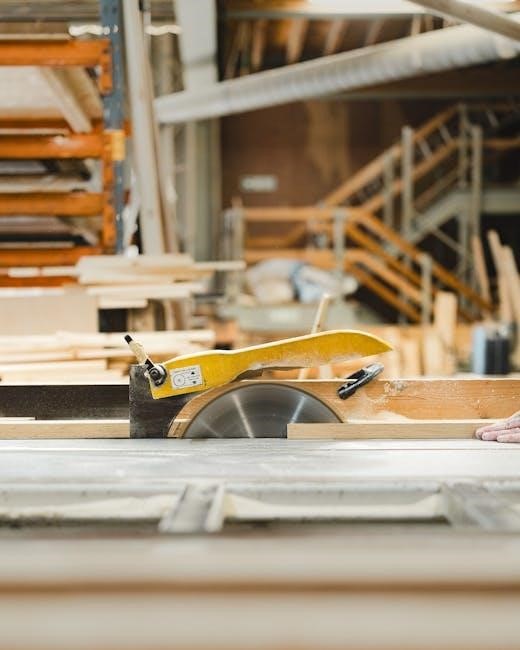
Craftsman Radial Saw Manual: A Comprehensive Guide
Craftsman radial arm saws, popular for decades, require detailed manuals for safe and effective operation.
This guide compiles resources for identification, restoration, and troubleshooting,
covering various models like 113.29460, 113.199250, and 113.197751.
Understanding the recall and accessing downloadable manuals is crucial for all owners.
Understanding Craftsman Radial Arm Saws
Craftsman radial arm saws represent a significant era in woodworking technology, offering versatility in cutting operations. These saws utilize a circular blade that slides along a radial arm, enabling precise crosscuts, miters, and dadoes. Understanding their mechanics is key to safe and efficient use.
Historically, Craftsman saws were renowned for their robust construction and relative affordability, making them a staple in home workshops and professional settings. However, it’s vital to acknowledge the recall affecting many models – particularly those with model numbers beginning with 113 – due to safety concerns regarding the blade guard.
Proper operation demands a thorough understanding of the saw’s components, including the radial arm, carriage, and blade guard. Familiarizing yourself with your specific model – such as the 113.29460 or 113.199250 – through a dedicated manual is paramount. Resources like Old Woodworking Machines and the Craftsman Manual Recall Website provide valuable information and downloadable manuals for various models, including the 113.197751.
Historical Overview of Craftsman Radial Saws

Craftsman radial arm saws emerged as a prominent woodworking tool in the mid-20th century, becoming synonymous with American home workshops. Sears, Roebuck and Co., through the Craftsman brand, made these saws accessible to a wide audience, fostering a generation of woodworkers. Early models, like the 113.29460, were celebrated for their durability and cutting power.
Over the decades, Craftsman refined its designs, introducing various models – including the 113.199250 and 113.197751 – with incremental improvements in features and performance. These saws were frequently used for both hobbyist projects and professional construction. However, the evolution wasn’t without its challenges.
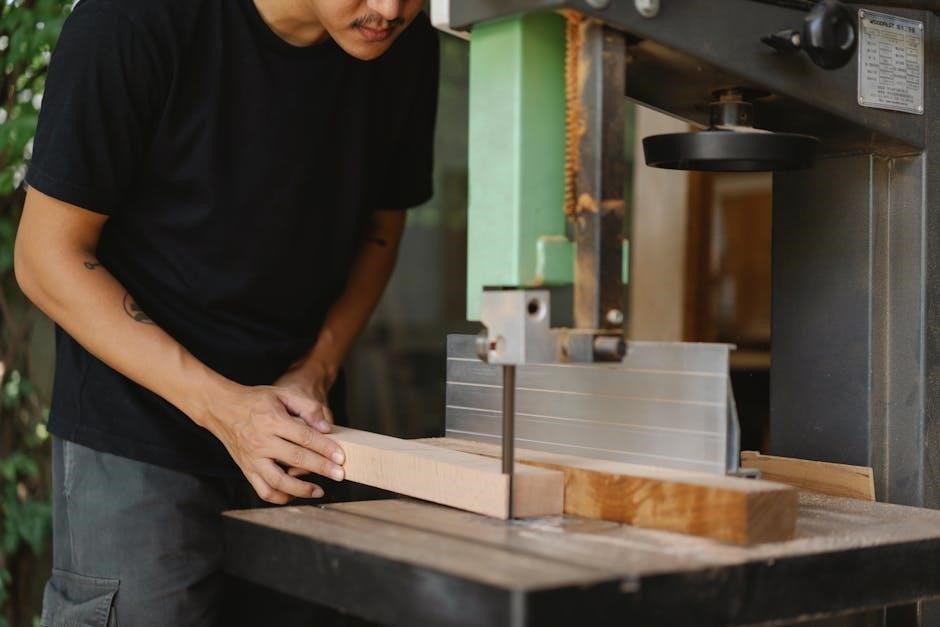
More recently, safety concerns led to a significant recall initiated by the CPSC, impacting saws with model numbers beginning with 113. This recall highlighted potential risks associated with the blade guard mechanism. Locating and reviewing the appropriate manual, available through resources like Old Woodworking Machines and the official Craftsman Manual Recall Website, is now crucial for owners of vintage Craftsman saws.
Common Craftsman Radial Saw Models
Craftsman produced a diverse range of radial arm saws over several decades, each with unique characteristics. The Model 113.29460, a long-standing favorite, is known for its robust construction and suitability for general woodworking tasks. Many owners have maintained these saws for 38 years or more, demonstrating their longevity.
The Model 113.199250 represents a later iteration, offering potentially updated features and refinements. Finding a specific manual for this model, often in PDF format, is essential for proper operation and maintenance. Resources like Old Woodworking Machines specialize in archiving these guides.
The Model 113.197751, often found in vintage condition, frequently requires restoration; Online forums, such as LumberJocks, provide valuable insights and support for owners undertaking such projects. Regardless of the model, verifying the model and serial numbers against the Craftsman Manual Recall Website is paramount due to the ongoing safety recall affecting saws with model numbers beginning with 113.

Model 113.29460: Features and Usage
The Craftsman 113.29460 radial arm saw is a classic, renowned for its durability and versatility. This 10-inch model excels at crosscutting lumber and performing dado cuts, making it a staple in many workshops for decades. Its robust design allows for accurate and repeatable cuts, essential for both beginners and experienced woodworkers.
Proper usage requires a thorough understanding of its components and safety features. The saw’s radial arm glides along a track, enabling precise angle adjustments. Users should always secure the workpiece firmly and utilize appropriate safety glasses. A detailed manual is crucial for understanding blade changes and maintaining optimal performance.
Despite its age, the 113.29460 remains a capable tool. However, owners should be aware of the ongoing recall affecting Craftsman radial arm saws. Checking the model and serial number on the official recall website (http://www.radialarmsawrecall.com/) is vital to ensure safe operation and potentially receive a remedy.
Model 113.199250: Detailed Specifications
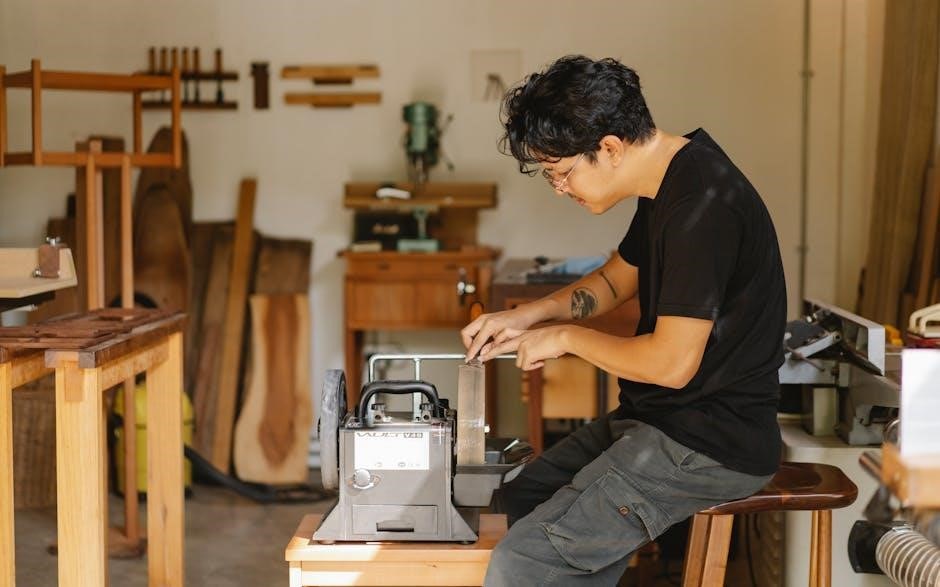
The Craftsman 113.199250 radial arm saw represents a significant iteration in the brand’s woodworking tool lineup. This model, typically an 8- or 9-inch variant, features a sturdy construction designed for consistent performance. Key specifications include a powerful motor, generally ranging from 1.5 to 2 horsepower, enabling efficient cutting through various wood types.
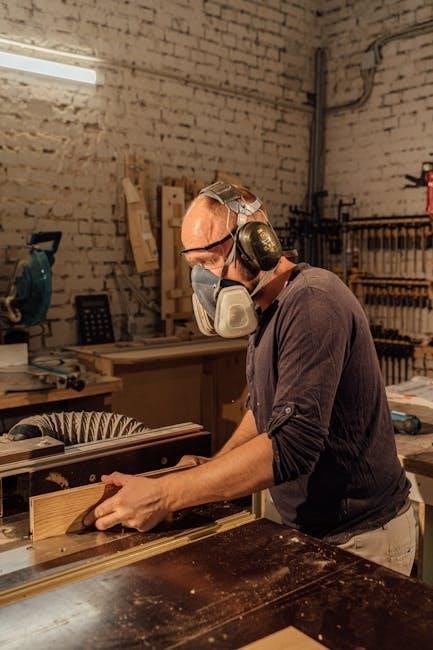
The saw boasts a substantial cutting capacity, accommodating wider boards than some earlier models. Its radial arm travel distance and miter angle range contribute to its versatility. A detailed manual outlines precise dimensions, blade compatibility (typically requiring a specific arbor size), and recommended operating parameters.
Owners should consult the manual for specific details regarding the model’s electrical requirements and safety features. Importantly, this model falls under the scope of the Craftsman radial arm saw recall; verifying the serial number against the CPSC guidelines (https://www.cpsc.gov/) is paramount for safety.
Model 113.197751: Restoration and Repair
Restoring a Craftsman 113.197751 radial arm saw, a 1979 model, is a rewarding project for woodworking enthusiasts. Common issues include worn bearings, damaged switches, and deteriorated wiring. A comprehensive manual is invaluable during disassembly and reassembly, providing exploded views and parts lists.
Repair often involves sourcing replacement parts, which can be challenging but achievable through online forums like LumberJocks (https://lumberjocks.com/). Bearing replacement requires careful attention to detail, ensuring proper lubrication and alignment. Electrical components should be inspected and replaced by qualified individuals.
Restoration extends beyond mechanical repairs; refinishing the base and arm enhances the saw’s aesthetic appeal. Always prioritize safety – disconnect the power supply before any repair work. Referencing the original manual and online resources ensures a successful and safe restoration of this classic Craftsman tool.
Safety Precautions and Operating Procedures
Operating a Craftsman radial arm saw demands strict adherence to safety protocols. Always wear safety glasses and hearing protection. Before operation, verify the blade is sharp, securely mounted, and the guard is functioning correctly. Ensure the workpiece is firmly supported and positioned for a clean, controlled cut.
Never reach over or under a rotating blade. Maintain a safe distance from the blade path and avoid loose clothing or jewelry. Understand the saw’s operating procedures, including proper starting and stopping techniques. Familiarize yourself with the emergency stop mechanism.
The manual details crucial safety features and procedures. Due to a significant recall (http://www.radialarmsawrecall.com/), verifying your model’s safety status is paramount. Regularly inspect the saw for wear and tear, addressing any issues promptly. Prioritizing safety ensures a productive and injury-free woodworking experience with your Craftsman saw.
Identifying Your Craftsman Radial Saw Model Number
Locating your Craftsman radial arm saw’s model number is essential for accessing the correct manual, parts, and recall information. Typically, a metal tag is affixed to the saw’s base or motor housing. This tag contains both the model and serial number.
The model number generally begins with 113, as noted in CPSC safety alerts (CPSC.gov). Common examples include 113.29460, 113.199250, and 113.197751. Carefully transcribe the entire number, including any decimal points or suffixes, to ensure accuracy.
If the tag is missing or illegible, consult resources like Old Woodworking Machines (Old Woodworking Machines) for identification assistance. Having the correct model number is vital for downloading the appropriate manual PDF and determining if your saw is subject to the ongoing safety recall. Accurate identification is the first step towards safe operation and restoration.
Locating and Downloading Manuals
Finding a Craftsman radial saw manual can be achieved through several online resources. Old Woodworking Machines (Old Woodworking Machines) is a dedicated archive offering classic Sears woodworking tool guides, including radial arm saw manuals. When searching, specify your full model number – for example, “Craftsman 113.199250 manual PDF” – for the most accurate results.
The Craftsman Manual Recall Website (http://www.radialarmsawrecall.com/) is primarily for the recall process, but may offer links or guidance to relevant documentation. Reddit’s r/BeginnerWoodWorking discussions also point towards these resources.
Be aware that manuals for older models may be scanned copies, potentially with some image quality limitations. Ensure the manual corresponds precisely to your saw’s model number to avoid incorrect instructions. Downloading and reviewing the manual is crucial for safe operation, maintenance, and understanding your saw’s capabilities.
Old Woodworking Machines Resource
Old Woodworking Machines (Old Woodworking Machines) stands as a premier online repository for vintage woodworking tool documentation, including a substantial collection of Craftsman radial saw manuals. This resource specializes in preserving and providing access to original Sears tool guides, catering specifically to enthusiasts and restorers.
The site’s strength lies in its detailed categorization and search functionality. Users can locate manuals by specifying the complete Craftsman model number – such as 113.29460, 113.199250, or 113.197751 – ensuring a precise match. The available manuals often include detailed parts diagrams, operating instructions, and maintenance schedules.
It’s important to note that many manuals are presented as scanned PDF documents. While generally legible, image quality may vary. This resource is invaluable for owners seeking to understand, repair, or restore their classic Craftsman radial arm saws;
Craftsman Manual Recall Website

The official Craftsman Radial Arm Saw Recall website, located at http://www.radialarmsawrecall.com, is a critical resource for owners of affected saws. This site was established following a CPSC (Consumer Product Safety Commission) announcement regarding safety concerns with certain Craftsman models.
The primary function of the website is to facilitate the return of recalled saws. Users are required to provide their saw’s model and serial numbers to determine eligibility. The recall encompasses 8-, 9-, and 10-inch Craftsman radial arm saws with model numbers beginning with 113.
The website details the potential hazards associated with the recalled saws, specifically concerning the motor housing and blade guard. It outlines the steps owners must take to participate in the recall, which typically involves receiving a refund or credit. Accessing this website is essential for ensuring safety and compliance.
Understanding the Radial Arm Saw Recall
The Craftsman Radial Arm Saw recall, announced by the CPSC and Emerson Tool Co., addresses significant safety concerns regarding specific models sold by Sears, Roebuck and Co. The recall stems from potential failures in the saw’s motor housing and blade guard, posing a risk of injury to users.
Specifically, the issue involves the potential for the blade guard to detach during operation, and the motor housing to crack, leading to electrical shock or projectile hazards. This recall impacts 8-, 9-, and 10-inch Craftsman radial arm saws, identifiable by model numbers beginning with 113.
Owners are strongly urged to immediately cease using the affected saws and to locate their saw’s model and serial numbers. These numbers are crucial for determining eligibility for the recall and for contacting the appropriate authorities or visiting the recall website for further instructions and potential remedies.
Troubleshooting Common Issues
Craftsman radial arm saws, while robust, can develop common issues with age and use; A frequent problem is inaccurate cuts, often stemming from a misaligned blade or a loose locking mechanism. Regularly check and tighten all bolts and ensure the blade is properly seated and secured.
Another common issue involves the saw’s motor struggling to maintain speed under load. This could indicate worn motor brushes, requiring replacement, or a need for lubrication of moving parts. Electrical issues, such as a non-functioning switch, should be addressed by a qualified electrician;
Furthermore, difficulty with the radial arm’s movement can be caused by dried grease or a bent rail. Cleaning and lubricating the rail, or carefully straightening it, can restore smooth operation. Always disconnect the power before performing any maintenance or repairs.
Blade Selection and Maintenance
Selecting the correct blade is paramount for optimal performance and safety with your Craftsman radial arm saw. Different blades are designed for specific materials – high tooth count blades for fine crosscuts in hardwoods, and lower tooth count blades for ripping. Always verify the blade’s arbor size matches your saw.
Regular blade maintenance is crucial. After each use, inspect the blade for missing or damaged teeth. Sharpening dull blades restores cutting efficiency and reduces strain on the motor. A properly sharpened blade also minimizes the risk of kickback.
Cleaning the blade after use prevents resin buildup, which can affect cutting performance. Store blades in a dry environment to prevent rust. When changing blades, always disconnect the power and wear appropriate safety gloves. Ensure the blade is securely tightened before operation.
Restoration Projects for Vintage Craftsman Saws
Restoring a vintage Craftsman radial arm saw is a rewarding project, breathing new life into a classic tool. Common restoration tasks include cleaning and repainting the base and arm, replacing worn bearings, and repairing or replacing electrical components.
Often, older saws require lubrication of moving parts. Disassembling and cleaning the gearbox is essential for smooth operation. Inspect and replace any damaged gears or shafts; Sourcing original parts can be challenging, but online forums and specialized suppliers can be invaluable.
Pay close attention to safety features during restoration. Ensure the blade guard functions correctly and that all safety switches are operational; A thorough inspection and repair of the electrical system are vital. Documenting the process with photos aids reassembly and future maintenance. A well-restored Craftsman saw will provide years of reliable service.
Dadoing and Crosscutting with a Radial Arm Saw
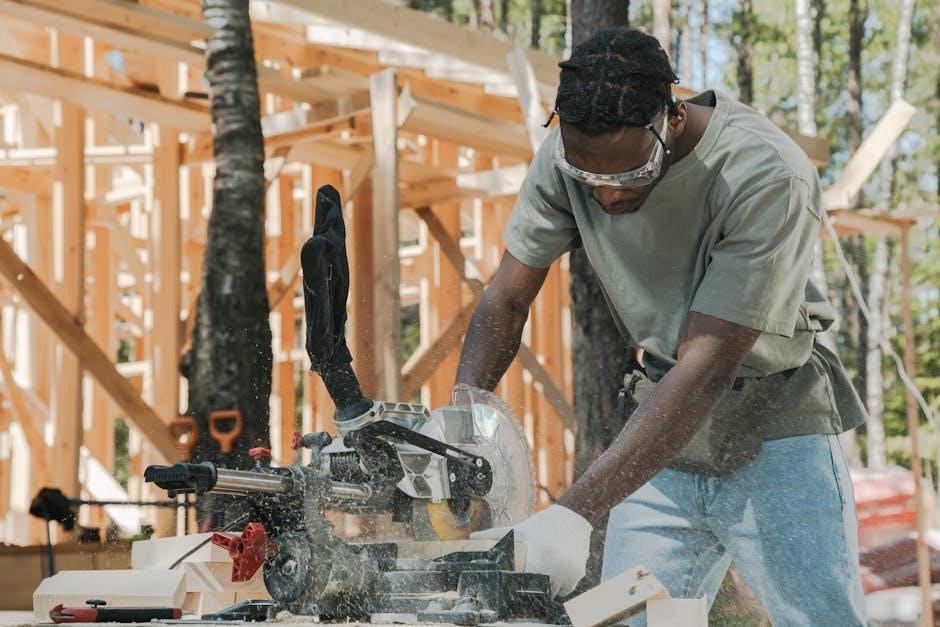
Craftsman radial arm saws excel at both dadoing and crosscutting, offering precision and power. For crosscutting, securely lock the saw head and utilize the adjustable fence to establish accurate cut lengths. Always ensure the workpiece is firmly supported against the fence and table.
Dadoing requires a specialized dado blade set. Adjust the blade width to match the desired dado width and carefully lower the blade into the workpiece, making multiple passes if necessary. Maintaining a consistent feed rate is crucial for a clean, even cut.
Remember to always use appropriate safety gear, including eye and ear protection. Proper setup and technique are paramount for achieving accurate results and preventing kickback. Regularly inspect the blade for sharpness and ensure all safety mechanisms are functioning correctly before each cut.
Comparing Radial Arm Saws to Miter Saws
Radial arm saws and miter saws both excel at crosscutting, but differ significantly in capabilities and design. Craftsman radial arm saws, while versatile for dadoing and bevel cuts, generally require more setup and possess a steeper learning curve than miter saws.
Miter saws, particularly sliding compound models, offer greater convenience and portability. They are ideal for repetitive cuts and angled work, but lack the radial arm saw’s ability to efficiently cut large sheet goods. The Reddit discussion highlights a common trade-off: the convenience of a sliding compound miter saw versus the capabilities of a Craftsman radial arm saw.
Safety is a key consideration; both saws require careful operation. However, the radial arm saw’s potential for kickback necessitates extra caution. Ultimately, the best choice depends on the specific woodworking tasks and the user’s experience level.
Resources for Parts and Repair
Finding parts for vintage Craftsman radial arm saws can be challenging, but several resources exist. Online forums like LumberJocks often host discussions where users share sources for replacement parts and offer repair advice. Dedicated woodworking communities frequently have members specializing in Craftsman tool restoration.
eBay and other online marketplaces are valuable for locating used parts, though condition varies. Specialized vintage tool suppliers may also stock components for older Craftsman models, such as those from the 113.29460 series. Careful searching, including the full model number (e.g., 113.199250), is crucial.
For complex repairs, consider contacting a qualified tool repair technician experienced with vintage machinery. Old Woodworking Machines can provide identification assistance, aiding in locating the correct parts. Remember to prioritize safety when undertaking any repair work.