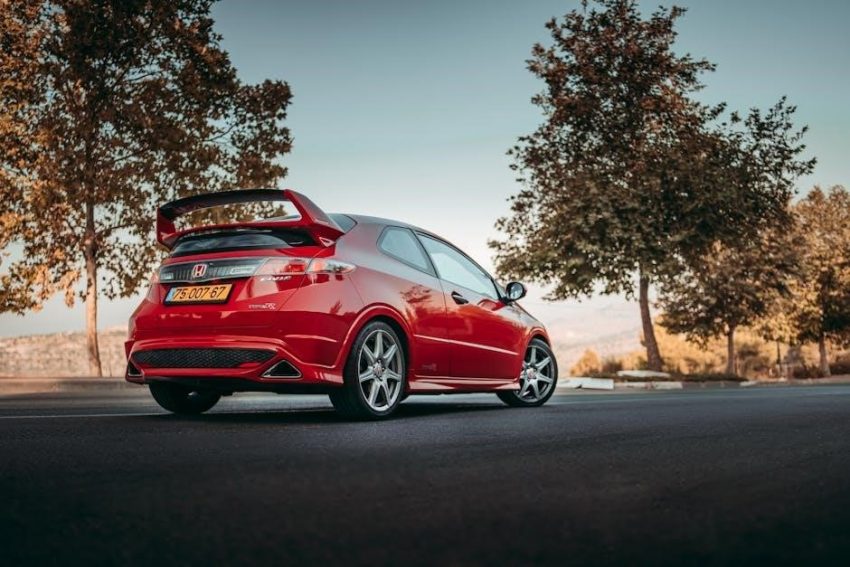
Maintaining your 2012 Honda Civic ensures reliability and longevity, safeguarding its value through diligent care and adherence to recommended service schedules․
Overview of the 2012 Honda Civic
The 2012 Honda Civic represents a dependable and fuel-efficient compact car, known for its practicality and enduring reputation for reliability․ Available in sedan and coupe body styles, it offered a range of trims catering to diverse driver preferences․ Engine options included a 1․8-liter four-cylinder, providing a balance of power and economy․
This model year featured Honda’s commitment to safety, incorporating standard features like Vehicle Stability Assist and multiple airbags․ Understanding the Civic’s specific components and systems is crucial for effective maintenance․ Regular upkeep, guided by the owner’s manual, will maximize performance and prevent costly repairs, ensuring years of enjoyable driving․
Importance of Regular Maintenance
Consistent maintenance is paramount for the 2012 Honda Civic, directly impacting its longevity, safety, and resale value․ Neglecting scheduled services can lead to diminished fuel efficiency, increased repair costs, and potential mechanical failures․ Proactive care, following the maintenance manual’s guidelines, prevents minor issues from escalating into major problems․
Regular oil changes, fluid checks, and component inspections safeguard critical systems like the engine, transmission, and brakes․ Adhering to the recommended intervals ensures optimal performance and a reliable driving experience, ultimately saving you money and extending the life of your Civic․

Scheduled Maintenance
Following the 2012 Honda Civic’s maintenance schedule—at 30,000, 60,000, and 90,000 miles—is crucial for preserving performance and preventing costly repairs․
30,000-Mile Service
At the 30,000-mile mark for your 2012 Honda Civic, several key maintenance tasks are essential․ Primarily, a comprehensive oil and filter change is paramount, utilizing the manufacturer’s recommended oil type to ensure optimal engine lubrication․ Simultaneously, a thorough tire rotation and inspection should be performed, checking for uneven wear and damage․
Additionally, inspect the brake pads, hoses, and lines for any signs of wear or leaks․ Fluid levels – including coolant, brake fluid, and power steering fluid – should be checked and topped off as needed․ A visual inspection of belts and hoses is also recommended to identify potential issues before they escalate․
Oil and Filter Change
Performing a regular oil and filter change is crucial for your 2012 Honda Civic’s engine health․ Use the recommended 0W-20 full synthetic oil, adhering to Honda’s specifications for optimal performance and longevity․ The oil filter should also be replaced with a genuine Honda filter during each service․
Ensure proper disposal of used oil and filter at a designated recycling center․ Regularly scheduled oil changes prevent sludge buildup, reduce friction, and maintain efficient engine operation, ultimately extending the life of your vehicle․ Check the oil level frequently between services to ensure adequate lubrication․
Tire Rotation and Inspection
Regular tire rotation is essential for even wear and maximizing the lifespan of your 2012 Honda Civic’s tires․ Rotate tires every 5,000 to 7,500 miles, following the pattern outlined in your owner’s manual – typically front to back on the same side․
During each rotation, thoroughly inspect tires for uneven wear, cuts, bulges, and proper inflation․ Maintain the recommended tire pressure (found on the driver’s side doorjamb) for optimal handling and fuel efficiency․ Inspect the spare tire as well, ensuring it’s properly inflated and in good condition․
60,000-Mile Service
Reaching 60,000 miles on your 2012 Honda Civic necessitates more comprehensive maintenance․ Key services include spark plug replacement, crucial for maintaining optimal engine performance and fuel efficiency․ Simultaneously, a transmission fluid change is vital to ensure smooth shifting and prevent costly damage․
Inspect the drive belt for cracks or wear, replacing it if necessary to avoid potential breakdowns․ Additionally, a thorough inspection of all fluids – coolant, brake, power steering – is recommended, topping off or replacing as needed․ Don’t neglect a comprehensive multi-point inspection․
Spark Plug Replacement
At 60,000 miles, replacing the spark plugs in your 2012 Honda Civic is essential for peak engine performance․ Worn spark plugs lead to misfires, reduced fuel economy, and potential damage to the catalytic converter․ Use only the manufacturer-recommended spark plugs – typically iridium – for optimal results․
Proper gapping is crucial; consult your owner’s manual for the correct specification․ Ensure the engine is cool before removal, and apply anti-seize compound to the new spark plug threads․ Tighten to the specified torque to prevent damage or leaks, restoring efficient combustion․
Transmission Fluid Change
During the 60,000-mile service, changing your 2012 Honda Civic’s transmission fluid is vital for smooth shifting and preventing costly repairs․ Old fluid degrades, losing its lubricating properties and accumulating debris․ Use only Honda Genuine ATF (Automatic Transmission Fluid) to maintain warranty compliance and optimal performance․
A complete flush is recommended, but a drain and fill is acceptable․ Ensure the fluid is at the correct temperature during the level check․ Improper fluid levels can cause shifting issues or transmission damage, so precision is key for longevity․
90,000-Mile Service
Reaching 90,000 miles on your 2012 Honda Civic necessitates comprehensive maintenance to ensure continued reliability․ Key services include a crucial coolant flush and replacement, preventing corrosion and maintaining optimal engine temperature regulation․ Inspect the drive belt meticulously for cracks or wear, replacing it if necessary to avoid sudden failure․
Additionally, valve clearances should be inspected and adjusted if needed, contributing to efficient engine operation․ Thoroughly examine all fluid levels and top off as required, alongside a general inspection of hoses and belts for any signs of deterioration․
Coolant Flush and Replacement
A coolant flush and replacement are vital at 90,000 miles for your 2012 Honda Civic, preventing corrosion within the cooling system․ Old coolant loses its effectiveness, potentially leading to overheating and engine damage․ The process involves draining the old coolant, flushing the system with distilled water, and refilling it with the correct Honda-specified coolant type․
Proper coolant mixture – typically a 50/50 blend with distilled water – is crucial for optimal performance․ Inspect hoses and the radiator cap during this service for any signs of wear or leaks, ensuring a fully functional cooling system․
Drive Belt Inspection and Replacement
At the 90,000-mile mark for your 2012 Honda Civic, a thorough drive belt inspection is essential․ Look for cracks, fraying, or glazing on the belt’s surface, indicating wear and potential failure․ A failing drive belt can disrupt vital functions like power steering, alternator charging, and air conditioning․
Replacement should occur if any damage is detected, or as a preventative measure․ Ensure the new belt is correctly tensioned to prevent slippage or premature wear․ Proper belt alignment is also critical for longevity and optimal performance of all driven components․

Fluid Checks and Replacements
Regularly monitoring and replacing fluids—oil, transmission, brake, coolant, and power steering—is crucial for optimal performance and preventing costly damage․
Engine Oil
The engine oil in your 2012 Honda Civic is absolutely vital for lubricating internal components, reducing friction, and dissipating heat; Consistent oil changes, typically every 7,500 to 10,000 miles with synthetic blend or full synthetic oil, are paramount․ Always consult your owner’s manual for the specific recommended oil type and viscosity for your engine;
Checking the oil level regularly – ideally before each long trip – is a simple yet effective preventative measure․ Low oil levels can lead to severe engine damage․ When changing the oil, always replace the oil filter as well, ensuring clean oil circulation․ Proper oil maintenance significantly extends the life of your Civic’s engine․
Transmission Fluid
Maintaining the correct level and condition of transmission fluid in your 2012 Honda Civic is crucial for smooth shifting and preventing costly repairs․ Honda recommends a transmission fluid change every 30,000 to 60,000 miles, depending on driving conditions․ Using the correct Honda-specific Automatic Transmission Fluid (ATF) is essential; using incorrect fluid can cause significant damage․
Regularly check the fluid level using the dipstick (refer to your owner’s manual for location)․ Look for a bright red color and a sweet smell; dark or burnt-smelling fluid indicates it’s time for a change․ Neglecting transmission fluid maintenance can lead to slipping gears and eventual transmission failure․
Brake Fluid
Maintaining optimal brake fluid levels and quality is paramount for the safety and performance of your 2012 Honda Civic’s braking system․ Honda recommends checking brake fluid levels periodically and replacing it every three years, regardless of mileage, due to its hygroscopic nature – it absorbs moisture over time․ Moisture reduces the fluid’s boiling point, leading to brake fade․
Use only DOT 3 brake fluid that meets Honda’s specifications․ Inspect brake lines and hoses for leaks or damage during fluid checks․ A spongy brake pedal is a sign of air in the system or low fluid, requiring immediate attention․
Coolant
Maintaining the correct coolant level and condition is crucial for regulating your 2012 Honda Civic’s engine temperature and preventing overheating․ Honda recommends a complete coolant flush and replacement every 60,000 miles or five years, whichever comes first․ Using the correct Honda Long Life Antifreeze/Coolant is essential; mixing types can cause corrosion․
Regularly inspect the coolant reservoir when the engine is cold, ensuring the level is between the minimum and maximum marks․ Look for signs of leaks around the radiator, hoses, and water pump․ A low coolant level can lead to severe engine damage․
Power Steering Fluid
Proper power steering fluid levels are vital for smooth and effortless steering in your 2012 Honda Civic․ Check the fluid reservoir periodically, ensuring the level is within the designated “MIN” and “MAX” marks when the engine is off․ Honda recommends using only Honda Genuine Power Steering Fluid to prevent damage to the system․
Low fluid levels can cause noisy operation and difficulty steering․ Inspect the system for leaks around the pump, hoses, and steering rack․ If the fluid appears dark or contaminated, a complete flush and replacement are advised to maintain optimal performance․

Component Inspections
Regularly inspecting key components—brakes, suspension, and steering—is crucial for safety and performance, identifying potential issues before they escalate into costly repairs․
Brake System Inspection
A thorough brake system inspection is paramount for safe operation of your 2012 Honda Civic․ This involves a detailed examination of several critical parts, starting with the brake pads and rotors․ Check for adequate pad thickness; worn pads compromise stopping power․ Inspect rotors for scoring, warping, or excessive rust, which can also reduce braking efficiency and cause vibrations․
Next, carefully examine the brake lines and hoses for any signs of leaks, cracks, or corrosion․ Damaged lines can lead to brake fluid loss and complete brake failure․ Ensure all connections are secure and free from any visible damage․ Finally, inspect the master cylinder for leaks and proper fluid level․ Addressing these issues promptly ensures optimal braking performance and driver safety․
Brake Pads and Rotors
Regularly inspecting brake pads and rotors on your 2012 Honda Civic is crucial for maintaining stopping power․ Check pad thickness – if they’re worn to less than 3mm, replacement is necessary․ Visually inspect rotors for deep grooves, scoring, or warping; these indicate wear beyond safe limits․
Surface rust is normal, but significant pitting requires attention․ When replacing pads, rotors should also be evaluated; resurfacing or replacement may be needed to ensure proper contact and prevent vibrations․ Ignoring worn components compromises braking performance and increases the risk of accidents, so proactive maintenance is key․
Brake Lines and Hoses
Inspect brake lines and hoses on your 2012 Honda Civic for cracks, leaks, or bulges․ Rubber hoses can deteriorate over time, compromising brake fluid integrity and potentially leading to brake failure․ Carefully examine all connections for corrosion or fluid seepage․
Metal brake lines should be checked for dents or damage․ Any sign of weakness necessitates immediate replacement․ Brake fluid leaks are a serious safety hazard and must be addressed promptly․ Regular inspection and preventative maintenance of these components are vital for a safe and reliable braking system, ensuring optimal performance․
Suspension System Inspection
A thorough suspension inspection of your 2012 Honda Civic is crucial for ride comfort and handling․ Examine shock absorbers and struts for leaks or damage, indicating reduced damping performance․ Inspect ball joints, tie rod ends, and control arm bushings for excessive play or wear, which can cause instability․
Check the condition of the stabilizer bar links and bushings, as worn components contribute to body roll․ Listen for unusual noises like clunking or squeaking during test drives; Addressing suspension issues promptly enhances safety, improves handling, and prevents further damage to related components․
Steering System Inspection
Regular inspection of the 2012 Honda Civic’s steering system is vital for safe and responsive handling․ Check the power steering fluid level and condition, looking for leaks or contamination․ Inspect the steering rack and pinion for any signs of wear or damage, alongside the steering column universal joints․
Examine tie rod ends and steering linkage for looseness or play, which can cause imprecise steering․ Test for excessive steering wheel free play․ Addressing steering issues promptly ensures optimal control, prevents further damage, and maintains driver safety on the road․

Filter Replacements
Replacing filters—air, cabin, and fuel—is crucial for optimal engine performance, air quality, and fuel system health in your 2012 Honda Civic․
Air Filter
The engine air filter prevents dust and debris from entering your 2012 Honda Civic’s engine, ensuring clean combustion and optimal performance․ A clogged air filter restricts airflow, reducing fuel efficiency and potentially damaging the engine over time․
Regular inspection is recommended, typically every 15,000 to 30,000 miles, depending on driving conditions․ Replacement should occur when the filter appears dirty or restricted․ A clean air filter contributes to better gas mileage and extends the life of your Civic’s engine, making it a simple yet vital maintenance task․
Cabin Air Filter
The cabin air filter cleans the air entering the passenger compartment of your 2012 Honda Civic, removing dust, pollen, and other airborne particles․ This filter significantly impacts the air quality inside the vehicle, benefiting passengers, especially those with allergies or respiratory sensitivities․
Replacement is typically recommended every 15,000 to 30,000 miles, or more frequently in dusty environments․ A clogged cabin air filter can reduce airflow from the vents and contribute to unpleasant odors․ Maintaining a clean cabin air filter ensures a comfortable and healthy driving experience for you and your passengers․
Fuel Filter
The fuel filter in your 2012 Honda Civic plays a crucial role in maintaining engine performance by preventing contaminants from the fuel tank reaching the engine․ These contaminants, like dirt and rust, can damage fuel injectors and reduce engine efficiency․
Typically, the fuel filter should be replaced every 30,000 to 60,000 miles, depending on driving conditions and fuel quality․ A clogged fuel filter can cause symptoms like reduced acceleration, difficulty starting, and poor fuel economy․ Regular replacement ensures optimal fuel delivery and protects your engine from potential damage․

Battery Maintenance
Regular battery checks and terminal cleaning are vital for a reliable start, extending the lifespan of your 2012 Honda Civic’s battery system․
Battery Testing
Proactive battery testing is crucial for identifying potential issues before they leave you stranded․ A simple voltage test, using a multimeter, can reveal the battery’s state of charge․ Load testing, however, provides a more comprehensive assessment of the battery’s ability to deliver power under stress, simulating starting conditions․
Many auto parts stores offer free battery testing services․ For a 2012 Honda Civic, a healthy battery should consistently demonstrate a voltage above 12․6 volts when fully charged and maintain a stable voltage during a load test․ Regularly scheduled testing, ideally every six months, helps ensure optimal performance and prevents unexpected failures, contributing to the overall reliability of your vehicle․
Terminal Cleaning
Corrosion on battery terminals can impede electrical flow, leading to starting problems and reduced performance․ Regularly cleaning the terminals is a simple yet vital maintenance task․ Disconnect the negative terminal first, then the positive, before commencing cleaning․ A mixture of baking soda and water effectively neutralizes corrosion․
Use a wire brush to scrub away any buildup, ensuring a clean metal-to-metal contact․ After cleaning, apply a terminal protectant spray to prevent future corrosion․ Reconnect the positive terminal first, followed by the negative, ensuring a secure fit․ This simple procedure maintains optimal electrical conductivity and extends battery life for your 2012 Honda Civic․

Lighting System
Ensuring proper functionality of all lights – headlights, taillights, and signals – is crucial for visibility and safety while operating your 2012 Honda Civic․
Headlight Bulb Replacement
Replacing a headlight bulb on your 2012 Honda Civic is a relatively straightforward process, often achievable with basic tools and minimal mechanical experience․ Accessing the bulbs typically involves removing a cover from the back of the headlight housing within the engine compartment․ Disconnect the electrical connector, then carefully twist and remove the old bulb․
When installing the new bulb, avoid touching the glass portion with bare hands – use gloves or a clean cloth to prevent oil contamination, which can shorten the bulb’s lifespan․ Securely connect the electrical connector and reinstall the access cover․ Always replace bulbs in pairs for consistent brightness and optimal visibility․
Taillight Bulb Replacement
Replacing a taillight bulb on your 2012 Honda Civic is generally a simple task, requiring minimal tools and effort․ Access is usually gained from within the trunk, by removing a section of the interior trim panel․ Locate the bulb socket and twist it counterclockwise to remove it from the housing․ Gently pull the old bulb straight out of the socket․
When installing the new bulb, ensure it’s the correct type and properly seated in the socket․ Reinstall the socket into the taillight housing, twisting it clockwise to secure it․ Test the new bulb to confirm functionality before reassembling the trim panel․

Tire Maintenance

Proper tire care for your 2012 Civic includes regular pressure checks, tread depth monitoring, and rotations, ensuring optimal safety and extending tire lifespan․
Tire Pressure Monitoring System (TPMS)
The 2012 Honda Civic is equipped with a Tire Pressure Monitoring System (TPMS) designed to alert you when tire pressure is significantly low․ Maintaining correct tire pressure is crucial for safety, fuel efficiency, and even tire wear․ The TPMS utilizes wheel speed sensors to detect differences in rotational speed, indicating potential low pressure․
A TPMS warning light on the dashboard signals a problem – it doesn’t necessarily mean a flat tire, but requires immediate investigation․ Regularly check tire pressure manually with a gauge, even with TPMS, and reset the system after inflation․ Ignoring the TPMS light can lead to compromised handling and increased risk of tire failure․
Tire Tread Depth
Ensuring adequate tire tread depth is paramount for safe driving, especially in wet or snowy conditions․ The 2012 Honda Civic’s tires need sufficient grip to maintain traction and prevent hydroplaning․ Legally, most jurisdictions require a minimum tread depth of 2/32 of an inch․
You can easily check tread depth using a tread depth gauge or the “penny test” – insert a penny upside down into the tread grooves; if you can see all of Lincoln’s head, it’s time for new tires․ Worn tires significantly increase stopping distances and reduce overall vehicle control, demanding prompt replacement for continued safety․

DIY vs․ Professional Maintenance
Determining whether to tackle 2012 Honda Civic maintenance yourself or seek professional assistance depends on your mechanical skill and comfort level․ Simple tasks like fluid checks, air filter replacements, and bulb changes are often DIY-friendly, saving on labor costs․
However, complex procedures like transmission fluid changes, spark plug replacements, or brake system repairs require specialized tools and expertise․ Incorrectly performed maintenance can lead to further damage and safety hazards․ Professional technicians offer diagnostic accuracy and warranty protection, ensuring quality workmanship for critical repairs․